This little thing changed my life and, more importantly, changed the way I live every single day.
I still remember February 2023. I was going through so many challenges all at once: career uncertainty, personal growth, family responsibilities, and helping take care of my younger brother, who was struggling with a mental-health condition. Everything seemed to happen at the same time, and I felt overwhelmed.
So I decided to step away from my normal life for 10 days.
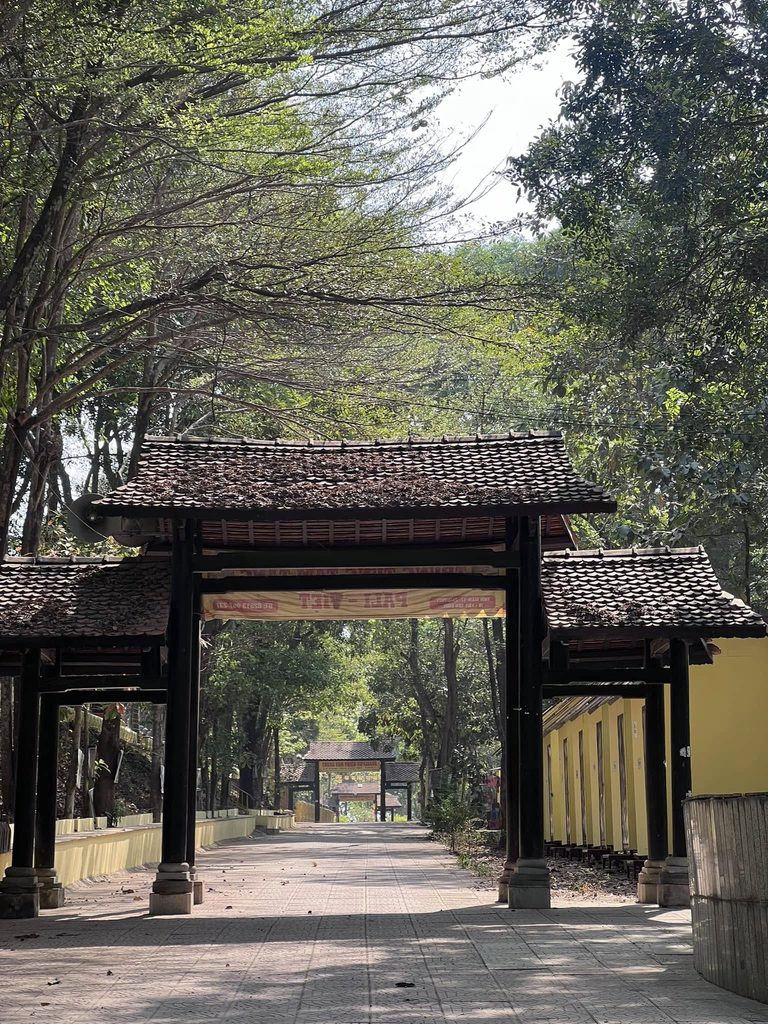
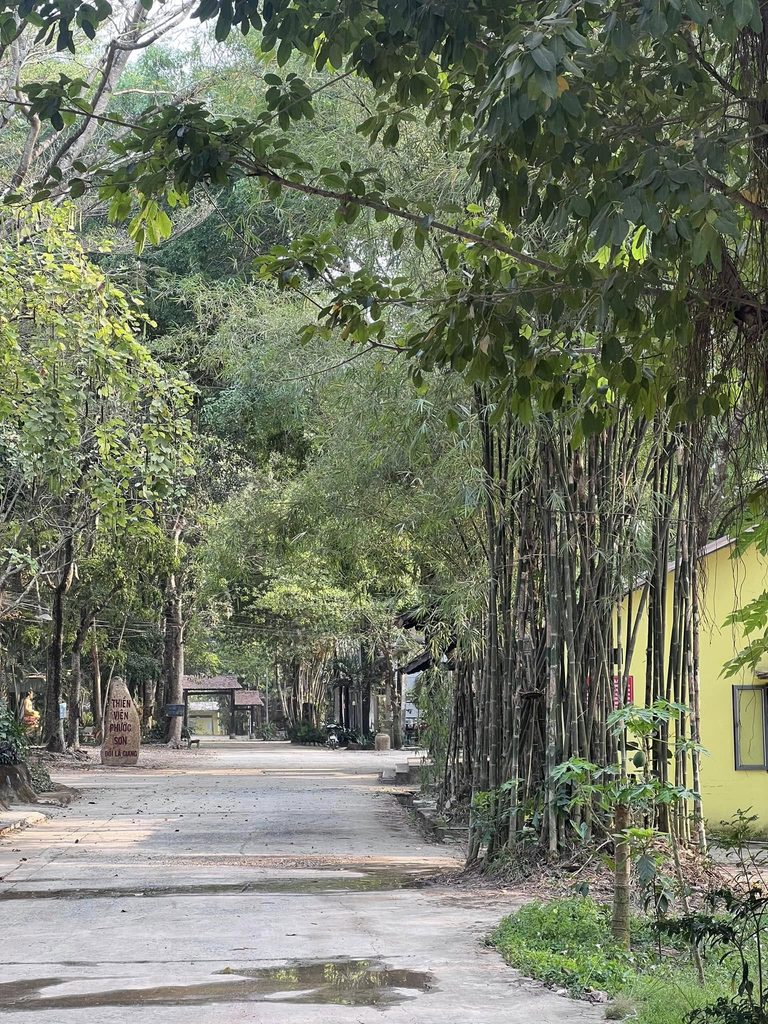
I found a monastery about three hours away from Ho Chi Minh City that offered a 10-day meditation retreat. No phone. No social media. No work. No distractions. Just 10 days completely disconnected from the life I was used to.
There was only one problem: when I found the course, registration was already closed.
But I wanted to go so badly that I decided to try anyway.
I packed my things, got on my motorbike, and drove three hours to the monastery. When I arrived, I asked if there was any possibility of joining the retreat. I told them that if someone didn’t show up, I would be willing to take their spot.
I waited.
Five hours later, someone didn’t show up.
And I got my spot.
Looking back, I think that was one of the most unexpected turning points in my life.
During those 10 days, I learned about Metta Meditation, also known as loving-kindness meditation, from a monk from Sri Lanka. He taught us how to practice meditation through two simple but powerful ideas: mindfulness and loving-kindness.
That was when I first truly understood what mindfulness meant.
And the concept itself is surprisingly simple.
We spend most of our lives observing the world around us. We have eyes to see, ears to hear, a nose to smell, and a body that constantly receives information from the outside world.
But how often do we actually observe ourselves?
How often do we pay attention to what our own body is doing, what our mind is thinking, or what emotions are moving through us?
Mindfulness taught me to turn my attention inward.
For example, when we eat, we usually focus on the food and the conversation around us. But what happens if we simply observe ourselves eating?
I started noticing how my hand moved toward the food, how my fingers held the spoon, how my jaw moved, how my teeth and tongue worked, how I swallowed, how my shoulders were positioned, and how my body was sitting.
These tiny movements are happening all the time, yet we rarely notice them.
The more I practiced, the more I realized that mindfulness was not about doing something complicated. It was about being fully aware of what I was already doing.
After that retreat, I started practicing mindfulness in my everyday life.
Sometimes I would catch myself thinking:
“Oh, I’m not sitting up straight. My posture doesn’t look very good. Let me adjust it.“
Or:
“I’m speaking too quickly. Let me slow down.”
Little by little, I started noticing things I had never paid attention to before.
And it wasn’t only about physical behavior.
I began observing my thoughts, emotions, and unconscious reactions.
Sometimes, I would catch myself comparing myself to other people and think:
“Oh, Tram, you’re feeling jealous right now.”
Instead of immediately judging myself for having that feeling, I started becoming curious about it.
Why am I feeling this way?
Where did this feeling come from?
What triggered it?
Is there something underneath it that I haven’t understood?
How can I respond differently next time?
That curiosity led me to learn more about human behavior, psychology, and the way our minds work.
I stopped asking myself how I compared to others. I stopped measuring my progress against someone else’s timeline because every individual in this world is different—different starting points, different personalities, different paths, different circumstances, different everything. So instead, I started paying attention to my own journey.
We often spend years learning about the world, building careers, studying other people, and trying to become successful. But we don’t always spend enough time learning about the person we spend our entire lives with:
ourselves.
Over time, mindfulness became more than something I practiced during meditation.
I started applying it to my career, my short-term goals, my long-term plans, and eventually, to the way I designed my life.
I began asking myself questions that I had never asked myself so seriously before
Who am I? Why did I come into this world? What are my strengths? What are my weaknesses? What can I do well? What can I not do yet? Where am I right now? Where do I want to go? Who do I want to become? What do I need to do to get there? What do I want to leave behind when I die?
The more clearly I understood myself, the clearer my direction became.
I could look at where I was, look at where I wanted to be, and then work backward to figure out what needed to happen in between.
Then I started making plans.
Not just big, ambitious plans, but also small, practical steps.
Step by step, day by day… And surprisingly, it worked.
There were moments when I achieved a goal or looked back and realized that almost everything I had planned had unfolded remarkably close to the way I had envisioned it.
Sometimes, I thought: “Is this magic?”
But looking back now, I realize it wasn’t magic at all.
It was the process of knowing myself, understanding where I wanted to go, and consciously working toward it every single day.
Mindfulness helped me become aware of where I was.
That awareness helped me understand where I wanted to go.
And that clarity allowed me to consciously choose what I needed to do next.
It wasn’t always perfect. Plans changed. Circumstances changed. I changed.
But because I was paying attention, I could adjust.
I could notice when something wasn’t working.
I could understand why.
I could change my approach.
And then keep moving.
For me, that is what mindfulness eventually became.
It taught me to pause before reacting.
To notice before judging.
To understand before changing.
To observe before making a decision.
And, most importantly, to become a little more aware of myself every day.
I don’t practice mindfulness perfectly. I still get distracted. I still react emotionally.
But now, I notice.
And sometimes, simply noticing is where change begins.
Because when you truly know where you are, you can decide where you want to go.
And when you consciously work toward it—one small step at a time—
the things that once seemed impossible can become possible.